






































Sewing baby clothes from jersey: beginner's guide
Sewing Baby Clothes from Jersey: The Complete Beginner’s Guide
Sewing your own baby clothes from jersey is one of the most enjoyable and rewarding sewing projects there is. Jersey is soft, stretchy and gentle on the skin, which makes it ideal for small garments that are worn all day long. But when you are just starting out, working with a stretch fabric can feel a little intimidating: it may wave under the sewing machine, seams may stretch out or hems may start to ripple. In this guide, we take you through the process step by step — from choosing the right fabric to finishing your first baby bodysuit.
Whether you are a complete beginner or already have some experience with woven fabrics: after reading this guide, you will know exactly which jersey fabric you need, which tools make all the difference and how to avoid the most common mistakes. Want to start browsing fabrics straight away? On our page about jersey for baby clothing, you will find an overview of all suitable qualities by the metre.
Why Jersey Is So Suitable for Baby Clothing
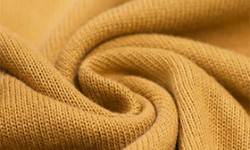
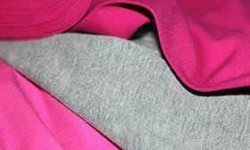
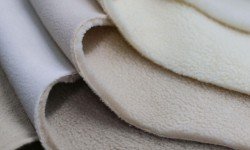
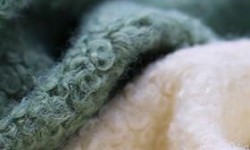
Jersey is a knitted fabric made from interlocking loops of yarn. This gives jersey its natural stretch and allows it to recover back into shape. For a baby who moves, crawls, stretches and wriggles all day, that is exactly what you want: clothing that moves with the body without feeling tight. Jersey is also soft against sensitive baby skin and breathable, helping to prevent overheating.
Another major advantage for beginners: jersey edges do not fray. With woven cotton, every seam needs to be finished to prevent fraying, but with jersey you can leave an unfinished edge without worry. This makes sewing faster, easier and much more forgiving.
Which Jersey Should You Choose for Which Garment?
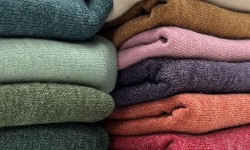
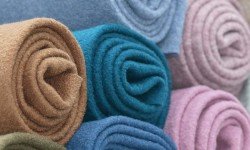
Not every jersey is the same. For the best result, match the fabric to the garment you want to make. Below are the most commonly used jersey qualities and where they work best.
Cotton Jersey
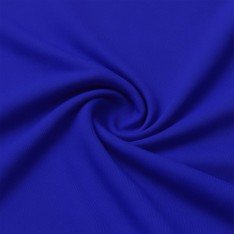
The all-rounder and the best starter fabric for beginners. Cotton jersey is stable enough to handle easily, while still feeling wonderfully soft. Perfect for baby tops, dresses and simple bodysuits. Start with this fabric when sewing your first baby garment.
Bamboo Jersey
Bamboo jersey is extra fluid and cool against the skin, with a beautiful drape. It is a little smoother and more mobile than cotton jersey, so it can be slightly trickier for absolute beginners. Ideal for soft sleepsuits and garments worn directly against the skin.
Interlock Jersey
Interlock is knitted on both sides, which makes it firmer and more dimensionally stable than regular jersey. It curls less at the edges, making it much easier to sew. An excellent choice for baby trousers, cardigans and garments that may have a little more body.
Rib Jersey and Cuff Fabric
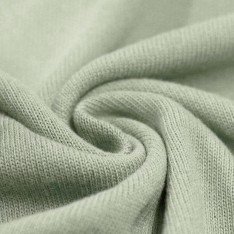
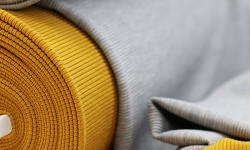
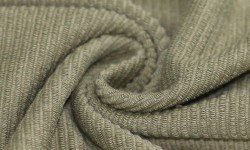
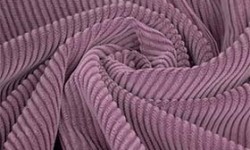
Rib jersey has a lot of stretch across the width, which makes it perfect for neckbands, cuffs and waistbands. For finishing sleeves, necklines and trouser cuffs, a separate cuff fabric is often used because it has even more stretch and recovery. This combination creates a professional, neat finish.
Organic Cotton Jersey
For those who prefer a conscious choice: organic jersey is grown without harmful pesticides, making it a lovely option for sensitive baby skin. When sewing, it behaves much like regular cotton jersey.
The Right Tools to Get Started
You do not need expensive equipment to sew baby clothes from jersey, but a few tools really do make a difference:
- A twin needle: this creates a stretchy double row of stitching that looks like a professional coverlock finish. Essential for neat hems.
- Jersey needles or stretch needles: these have a rounded tip that slides between the knitted loops without damaging the fabric or skipping stitches.
- A zigzag stitch or stretch stitch: no overlocker? A narrow zigzag stitch on your regular sewing machine stretches neatly without snapping.
- Wonder clips instead of pins: clips distort stretch fabrics less than pins and keep the layers neatly in place.
- A rotary cutter and cutting mat: these allow you to cut stretch fabrics much more accurately than scissors.
An overlocker is useful, but absolutely not necessary. You can sew your very first baby clothes perfectly well on a standard domestic sewing machine.
Step by Step: Your First Baby Garment
Let’s go through the basic steps that apply to almost every jersey baby project, whether you are making a bodysuit, trousers or a little top.
Step 1 – Pre-wash. Always wash and dry your fabric first at the temperature you will later use for the finished garment. Jersey can shrink slightly, and it is much better for that to happen before sewing than afterwards.
Step 2 – Lay out the pattern. Place your pattern pieces in the direction of the greatest stretch, usually across the width of the fabric. Mark the stretch direction so the garment moves properly in the right places.
Step 3 – Cut carefully. Cut accurately with a rotary cutter. Do not stretch the fabric while cutting, otherwise the pieces may become distorted.
Step 4 – Sew the seams. Use a stretch stitch or narrow zigzag stitch. Do not stretch the fabric while sewing; let the feed dogs do the work. Pin or clip the layers securely.
Step 5 – Attach the cuffs and bands. Cut the cuff fabric shorter than the opening, often around 80% of the length, so it pulls the edge in nicely. Stretch only the cuff fabric while sewing, not the main fabric.
Step 6 – Hem the garment. Finish the lower edge and sleeves with a twin needle for a stretchy, neat hem that will not snap when the garment is pulled on.
Common Mistakes and How to Avoid Them
Most frustration with jersey comes from a handful of recurring issues. Luckily, they are easy to solve:
- Wavy seams: the fabric is being stretched while sewing. Let the fabric move through the machine naturally and do not push or pull.
- Skipped stitches: you are using a regular needle. Switch to a jersey or stretch needle.
- Curling edges: this is normal behaviour for jersey. Work with clips and a rotary cutter, or choose interlock jersey, which curls less.
- Snapping hems: you have used a straight stitch that does not stretch. Use a twin needle or a zigzag stitch instead.
How Much Fabric Do You Need?
For baby clothing, you need surprisingly little fabric. A bodysuit or baby top usually takes between 0.5 and 1 metre, depending on the size and pattern. Because baby sizes are small, you can often cut several garments from one metre. It is worth saving leftover pieces: you can later turn them into little hats, bibs or matching accessories. For a complete baby set, combine your main fabric with a matching cuff fabric in the same colour family.
Start Sewing with Jersey for Baby Clothing
Sewing baby clothes from jersey is accessible, quick and incredibly satisfying, precisely because the fabric is so forgiving. Start with a simple cotton jersey, use the right needle and a stretch stitch, and your first baby bodysuit is closer than you think. Ready to begin? Browse our full range of jersey for baby clothing and all jersey fabrics by the metre, with tiered prices visible to everyone.
Frequently Asked Questions about Sewing Baby Clothes from Jersey
Which jersey is easiest for beginners?
Cotton jersey is the best starter fabric. It is stable enough to sew smoothly, curls less than thinner qualities and is available in many colours. Start with this before moving on to more fluid fabrics such as bamboo jersey.
Can I sew jersey on a regular sewing machine?
Yes. An overlocker is useful, but not required. With a jersey or stretch needle and a narrow zigzag or stretch stitch, you can sew jersey perfectly well on a regular domestic sewing machine.
Which needle should I use for jersey?
Use a jersey needle or stretch needle. It has a rounded tip that slides between the knitted loops, preventing fabric damage and skipped stitches. A regular sharp needle can damage jersey.
Why do my jersey seams become wavy?
Wavy seams happen when the fabric is stretched while sewing. Let the jersey feed through the machine naturally and do not push or pull the fabric. A stretch stitch and lighter presser foot pressure can also help.
Should I pre-wash jersey before sewing baby clothes?
Yes. Jersey can shrink slightly during the first wash. Wash and dry the fabric before cutting, using the same temperature you will later use for the finished garment.
How much fabric do I need for a baby bodysuit?
For a baby bodysuit or top, you usually need between 0.5 and 1 metre of jersey, depending on the size and pattern. Because baby sizes are small, you can often cut several garments from one metre of fabric.
What is the difference between jersey and cuff fabric?
Jersey is the main fabric used for the garment itself. Cuff fabric has more stretch and recovery and is used to finish necklines, sleeves and trouser cuffs so they fit neatly and keep their shape.